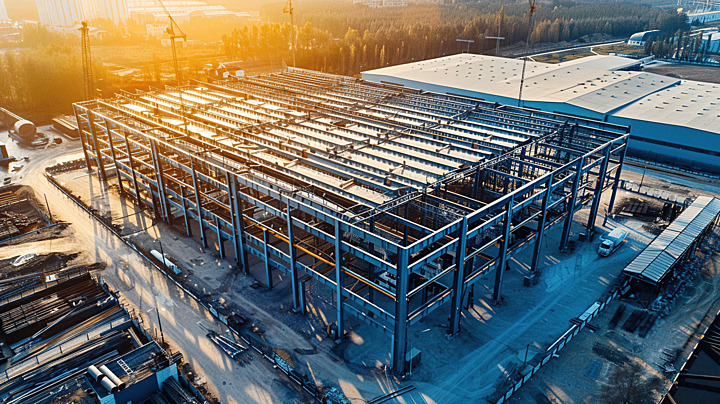

Introduction: Steel structures have become an integral part of the construction industry, offering a combination of strength, flexibility, and durability that is unmatched by traditional building materials. This article explores the evolution of steel structures, their advantages, and their impact on modern architecture and engineering.
Historical Evolution: The use of steel in construction dates back to the early 19th century with the advent of iron-framed buildings. However, it was the development of skyscrapers and large industrial complexes in the late 19th and early 20th centuries that truly showcased the potential of steel. Today, steel structures are a hallmark of modern architecture, featuring in iconic buildings such as the Eiffel Tower and the Burj Khalifa.
Advantages of Steel Structures:
- Strength and Rigidity: Steel is one of the strongest materials available, making it ideal for constructing high-rise buildings and long-span structures like bridges and stadiums.
- Flexibility: Steel’s malleability allows for a wide range of design possibilities, enabling architects to create complex and innovative shapes.
- Durability and Resistance: Steel structures are resistant to fire, earthquakes, and harsh weather conditions, providing long-term stability.
- Sustainability: Steel is recyclable, and its use in construction can contribute to a building’s LEED certification and other green building standards.
- Speed of Construction: Pre-fabricated steel components can be quickly assembled on-site, reducing construction time and costs.
- Aesthetic Appeal: Steel’s natural beauty and versatility in design make it a popular choice for both commercial and residential projects.
Technological Advancements: Recent technological advancements have further enhanced the use of steel in construction. For example, Building Information Modeling (BIM) allows for precise design and engineering of steel structures, reducing errors and improving efficiency. Additionally, the development of high-strength steels has allowed for lighter and stronger components, which can lead to more economical and sustainable building solutions.
Applications in Modern Construction: Steel structures are now commonplace in various sectors of construction, including:
- Commercial Buildings: Office towers and shopping centers often utilize steel frames for their structural integrity and design flexibility.
- Residential Construction: Multi-story apartment complexes and condominiums benefit from the speed and strength of steel construction.
- Industrial Facilities: Factories and warehouses rely on steel for their large, open spaces and heavy load-bearing capabilities.
- Infrastructure: Steel is crucial in the construction of bridges, highways, and other critical infrastructure projects.
Challenges and Considerations: Despite their many benefits, steel structures also present challenges, such as corrosion and the need for regular maintenance. Additionally, the initial cost of steel construction can be higher than traditional materials. However, these are often offset by the long-term savings in maintenance and the ability to recycle steel at the end of a building’s life.
Conclusion: Steel structures represent a significant advancement in the field of construction, offering a range of benefits that align with modern demands for strength, sustainability, and design flexibility. As technology continues to evolve, the use of steel in construction is likely to expand, pushing the boundaries of what is possible in architecture and engineering.